What actually transfers
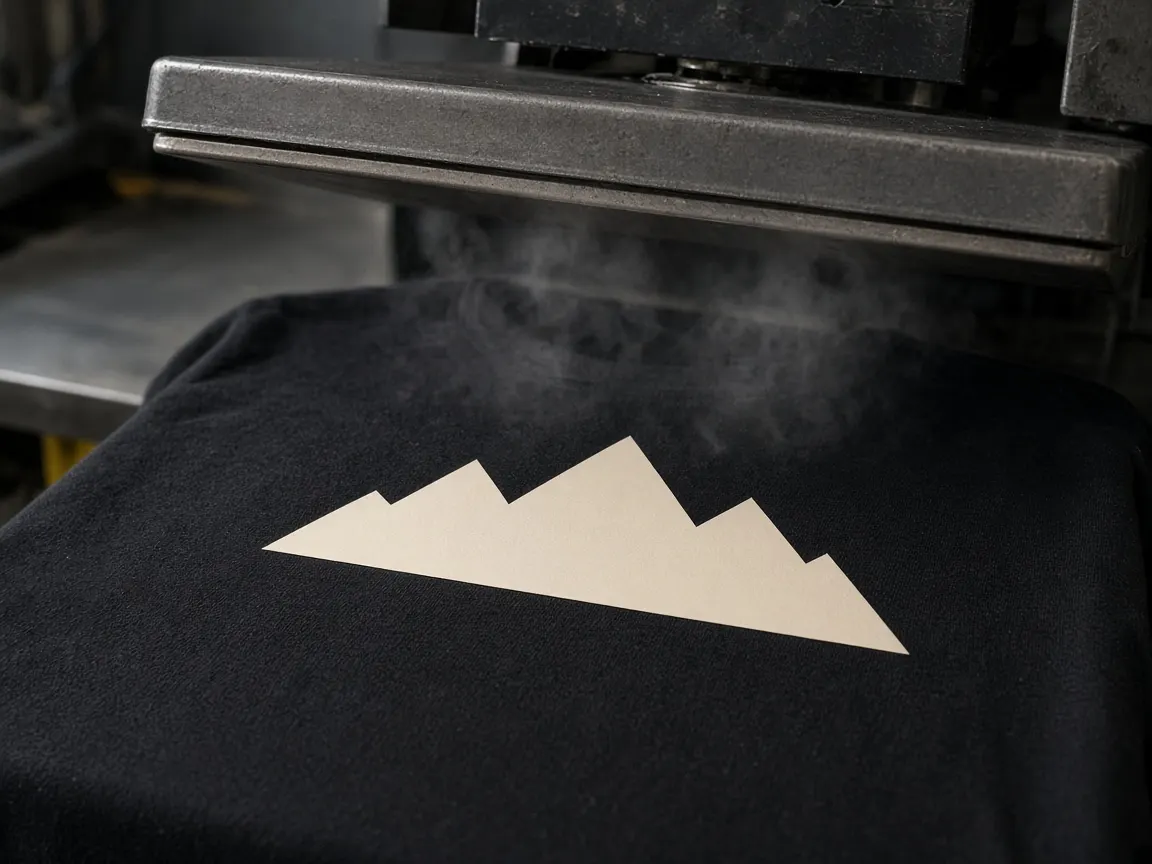
A shape is cut from a roll of film. The excess is weeded, the piece is laid on the shirt and heated. The edge is sharp. There is no gradient and no photo inside one film. A second colour is a second layer, not "one more tint in the file".
Names, numbers, short words
A squad back, a surname, a post number, a short word on the chest are ordinary vinyl work. Each shirt can have its own text. There is no screen per surname. A long line of tiny letters cannot be cut: the insides of O, A and P fall out while the film is still on the bench.
What it is not
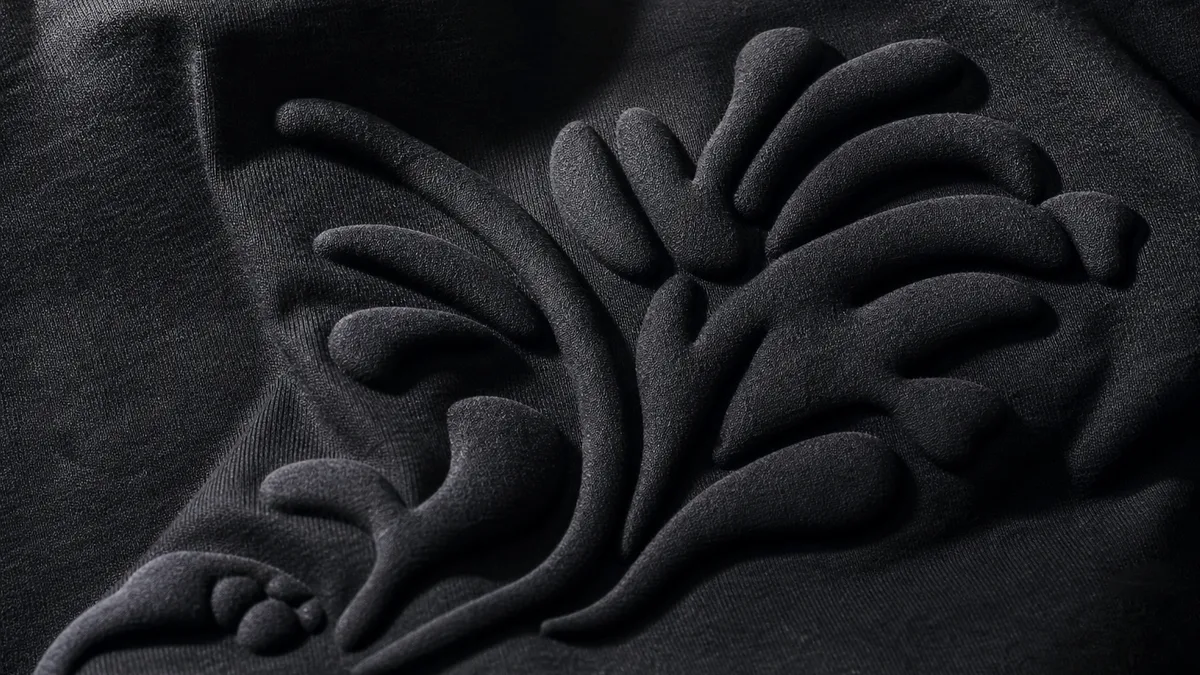
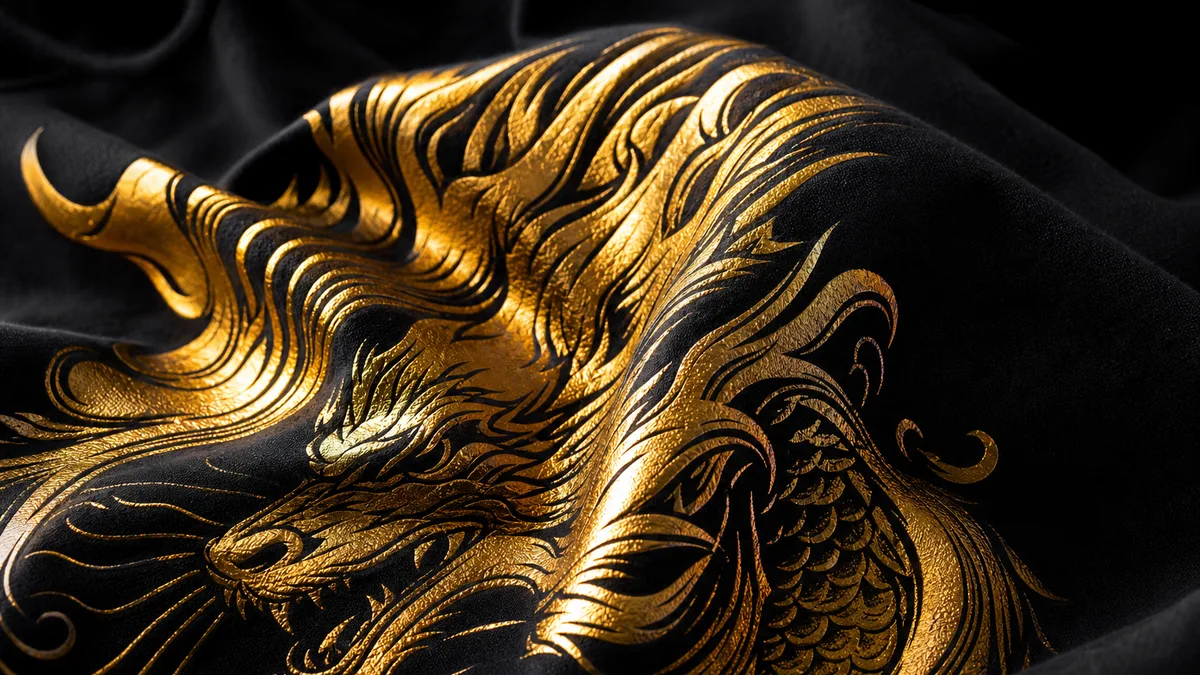
DTF is also pressed with heat, but that film is printed whole: a photo, many colours, a white underbase. Foil is shine on top of a base, not a way to write a name. Puff is raised ink, not film. If the file is a portrait, replace the word heat transfer with DTF before anyone cuts.
Cloth and care
A dense tee and a polo hold film more calmly than thin stretch. Wash inside out and do not iron the film: the iron lifts it. Bleach on a letter eats the film colour. On workwear that is washed often, vinyl carries the name and number, and the shared mark of the run usually stays with screen printing.
How to order
A table of names or numbers, the film colour, the letter height in centimetres, the shirt colour. Telegram @dkretov, +998 90 349 03 64. The list is checked before cutting. Pickup is in Sergeli.
Summary
Heat transfer on t-shirts here is vinyl. A short mark and a personal name. A photo and complex colour take another method, and that is better decided from the file than from a familiar word.