Screen Printing: How It Works and When It Pays Off
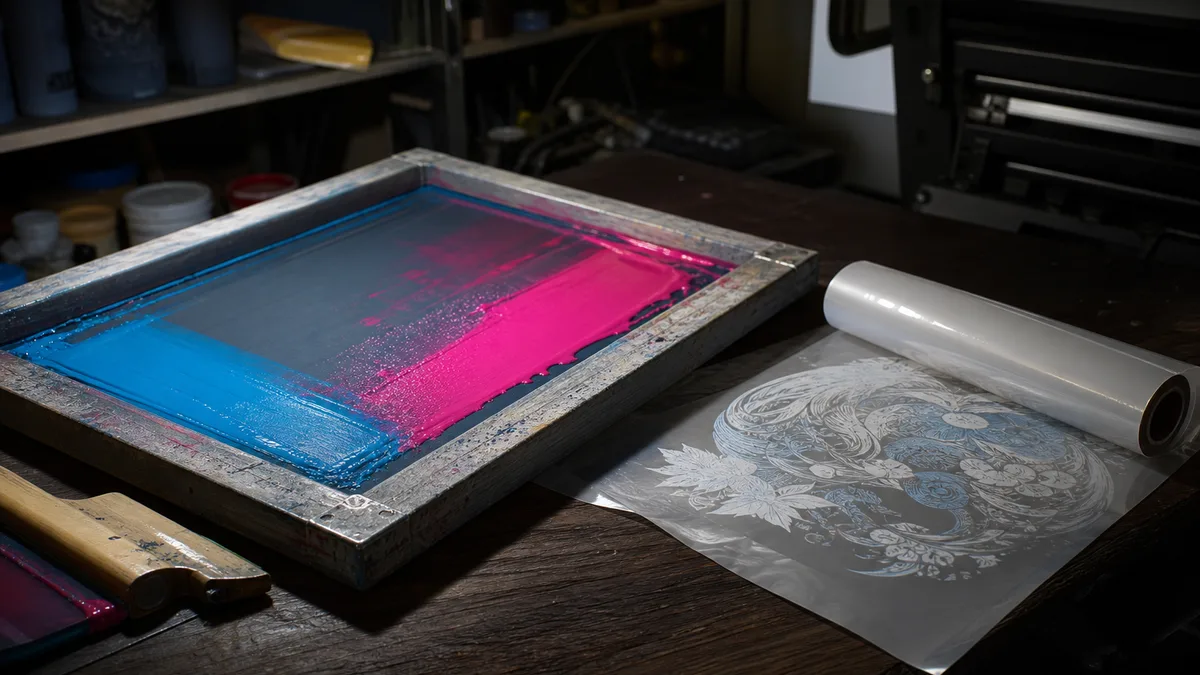
Screen printing pushes ink through a mesh stencil directly onto fabric. Each color needs its own screen and setup, but once running, the batch moves fast. The print is dense, saturated, and holds up well in the wash — typically 50+ cycles with proper care. The method shines when the design is identical and you need the same result on dozens or hundreds of pieces. For 1–5 units, stencil prep often makes the order economically impractical.
DTF: Flexibility for Small Runs and Complex Designs
DTF is digital printing: the design is printed on film, coated with adhesive, and transferred with a heat press. There is no color limit — photos, gradients, and fine detail transfer without separate stencils. You can make one tee or a batch with different artworks in one order. On small volumes DTF is usually faster and more convenient than screen. On large identical runs the per-unit price is often higher than screen printing. Digital transfer wins on flexibility: one file — one tee without resetting the whole process.
Comparison by Volume, Timing, and Detail
Minimum order: DTF from 1 pc, screen printing — usually from 10 with the same design. Detail and photo printing — DTF's advantage. Large solid logos in 1–3 colors on 50+ pieces are often cheaper and denser with screen. Timing: a small DTF order is often ready faster; a large screen run wins on speed after setup. The choice depends not only on looks but on volume and design repeatability. Comparing only sample beauty is easy to get wrong: on a run, economics and consistency matter as much as appearance.
Fabric, Colors, and Print Feel
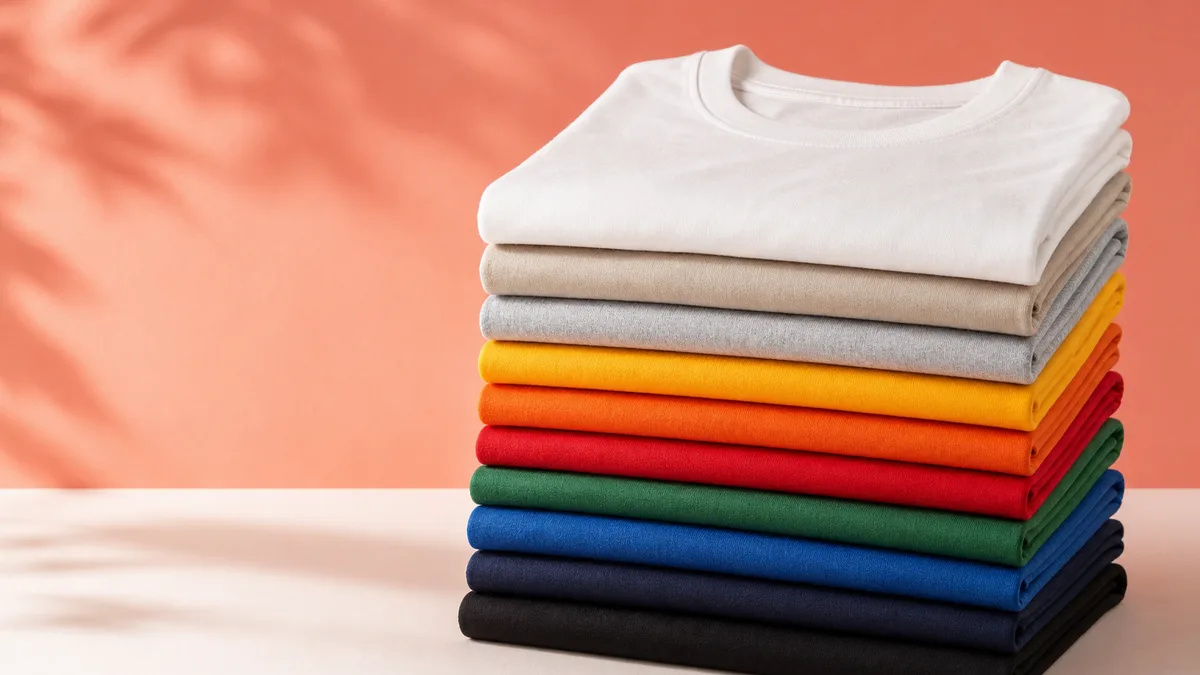
Both technologies work on cotton, blends, and many hoodies and sweatshirts. Screen gives a more pressed-in tactile layer on solid areas; DTF keeps fine gradients and small text. On dark fabric DTF uses a white underbase; screen uses underbase or dense inks as needed. Agree the print zone and fabric weight in advance: press settings on fleece differ from a thin tee. If fabric density is uncertain, agree a test mode beforehand rather than changing technology after a reject.
Combinations and Common Selection Mistakes
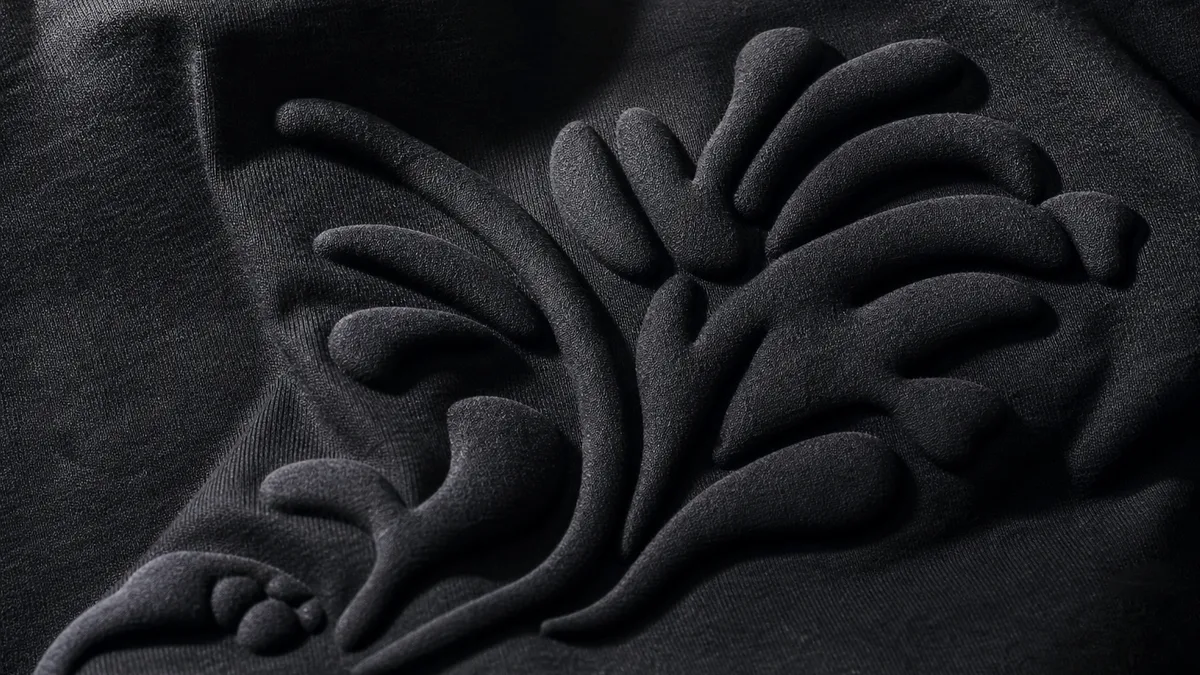
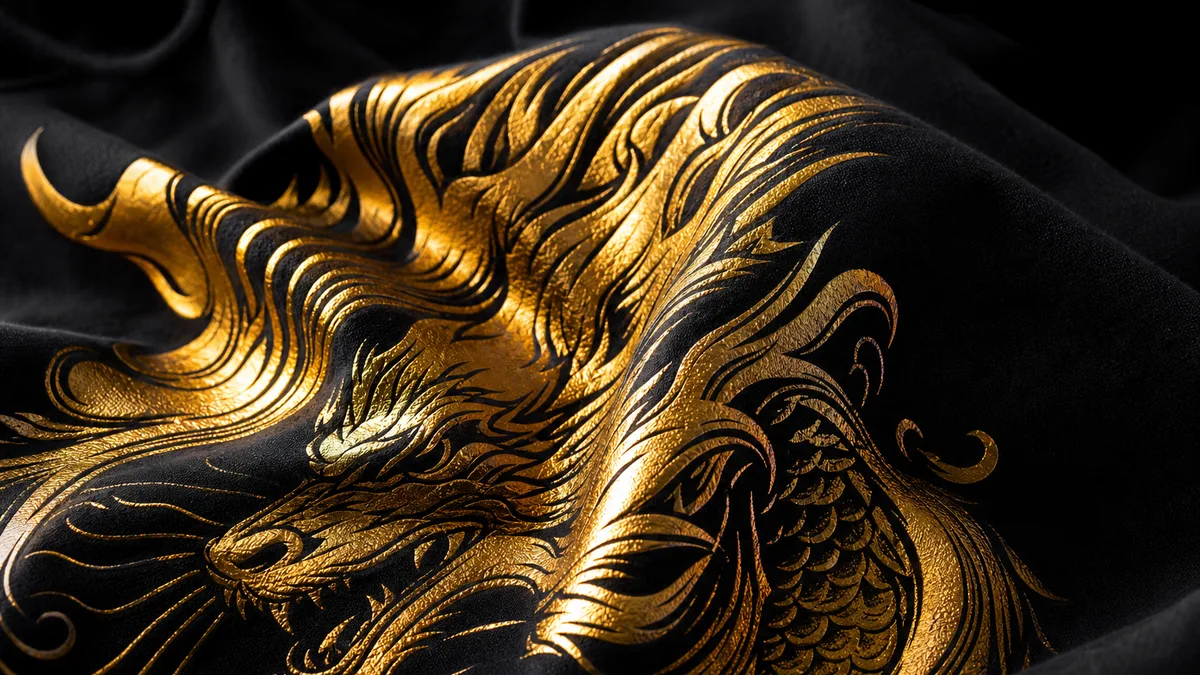
A common mistake is ordering screen for 3–5 different designs: prep eats the budget. The other extreme is pushing 200 identical logos only through DTF without comparing quotes. At Choice Print we often combine methods: large logo via screen, photo insert or named elements via DTF. We also consider puff, foil, and vinyl when you need volume, shine, or crisp numbers — those are separate jobs, not DTF replacements. Mixed setups are especially useful for merch that needs both a brand block and an illustrative panel.
How We Choose Technology at Choice Print
Send your artwork, run size, garment model, and desired deadline on Telegram @dkretov or call +998 90 349 03 64. We will compare screen and DTF on price and quality, suggest artwork fixes, and show samples if needed. Consultation and file prep are free. We work in Tashkent: print on our garments or yours — after fabric check. You get a deliberate choice, not a one-size-fits-all method. After a short brief it is usually clear which method covers the job without extra prep.
Summary
Screen printing wins on identical runs and simple saturated logos. DTF is essential for single pieces, photos, and multicolor artwork. Message Choice Print — we will match technology to your run and budget without unnecessary experiments.