
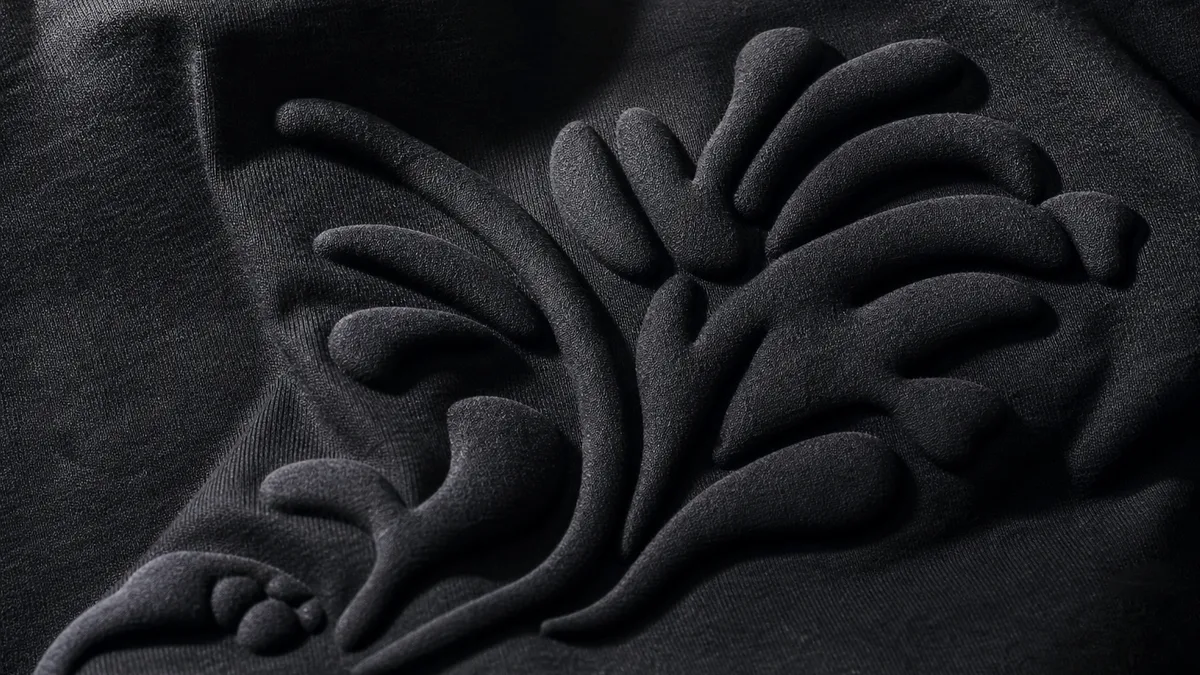
How the Puff Process Works
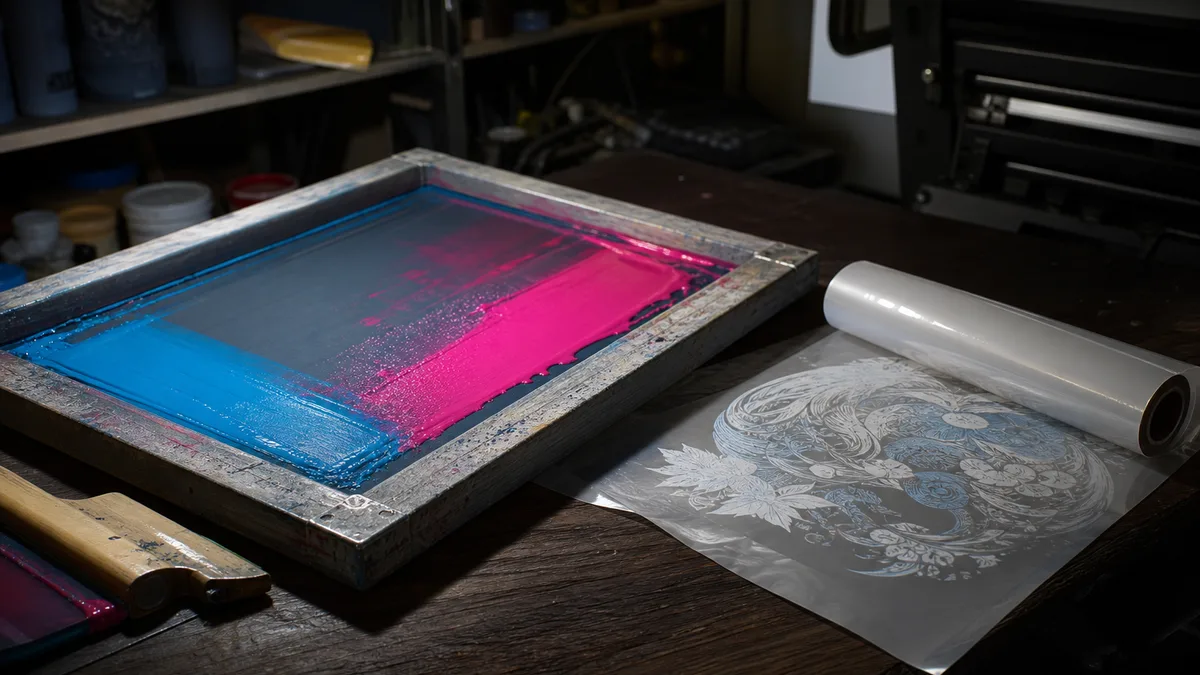
The base is screen printing: a special ink with a foaming agent is applied through a stencil. Then the garment is heat-cured — the ink expands and forms about 1–2 mm of relief. Height depends on formula, layer, and press settings. The finished print is soft to the touch, elastic, and visually "alive". Process control matters: underheating gives a weak rise, overheating — stiffness or unevenness. Temperature and time are critical here: they determine both height and softness of the finished relief.
Which Designs Show Puff Best
Large logos, letters, simple icons, and wide solid shapes work best. Fine graphics and thin lines lose readability after foaming — edges "bleed". If the artwork has many details, we recommend simplifying the form or leaving puff only on accent elements. For photos and gradients puff does not replace DTF: this is about tactile volume, not photorealism. If the layout is openwork, plan simplification early — otherwise volume will eat readability even on the sample.
Puff vs Regular Screen vs 3D
Regular screen gives a flat ink layer; puff adds a soft rise without a separate patch. Polymer 3D printing creates taller, firmer relief with complex geometry, but is usually costlier and closer to one-offs and limited pieces. Puff scales faster on a run and feels softer. The choice depends on the effect: soft "cushion" — puff; crisp sculptural form — 3D. To pick between soft and sculptural, compare run goals versus a single drop.
Fabrics, Colors, and Combos with Other Tech
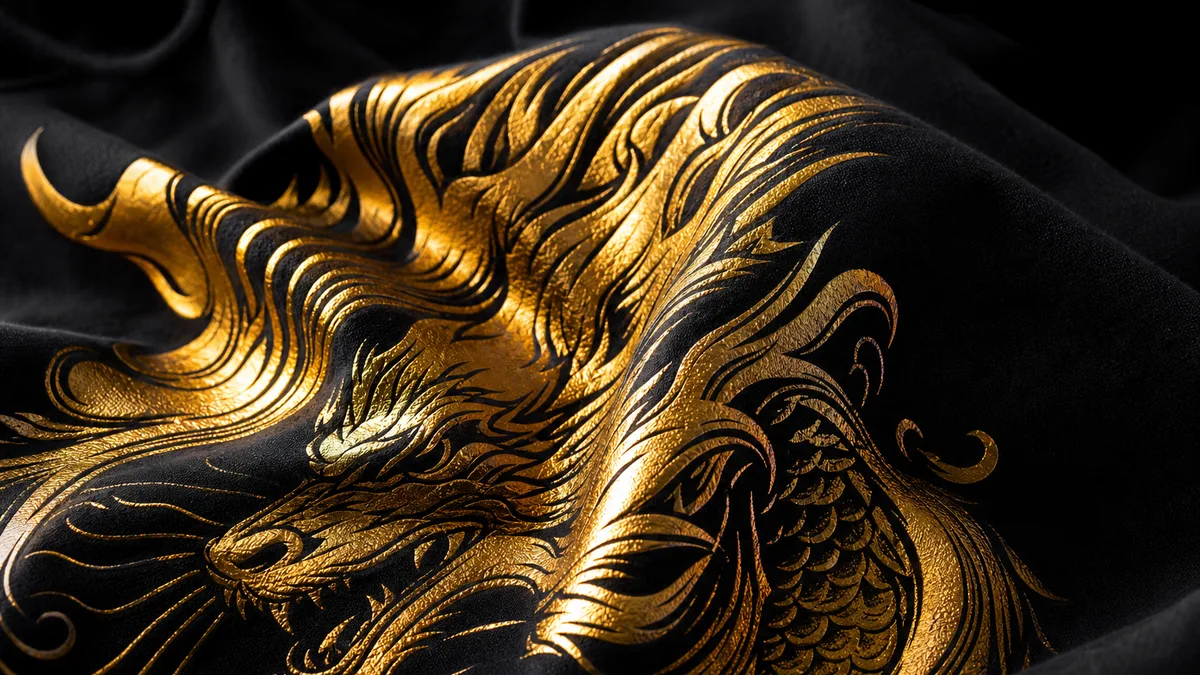
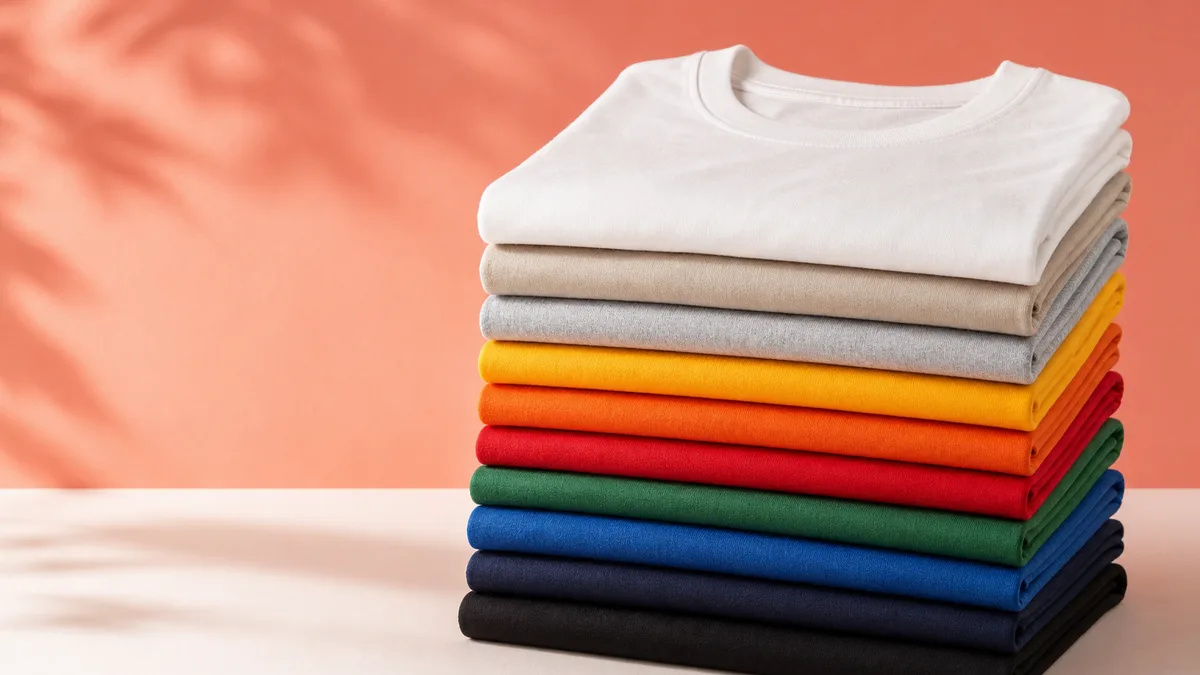
Puff looks great on tees, hoodies, and sweatshirts in cotton and dense fleece. On dark fabrics the volume reads especially well; on light ones paint contrast matters. We often combine: flat screen or DTF for the background, puff for the brand name. Foil over volume is a separate premium move — we discuss it case by case for durability and care. Combos with flat printing keep detail where puff does not fit. In practice this nuance shows up more often at the fitting of a finished batch.
Durability, Care, and Typical Client Questions
With correct application and care, puff usually survives 40+ washes while keeping volume. Wash inside out at 30°C, no bleach or aggressive spin. Do not iron directly on the relief. Do not twist the print when putting on a hoodie. If volume noticeably "sank" after the first washes — overheating in drying or a harsh cycle is usually to blame, not the print method itself. Pass care rules to the team or clients with the order — volume lasts longer that way. On batches of dozens, such details show more than on a single sample.
How to Order Puff at Choice Print
Send a vector or sharp artwork, run size, and garment model to @dkretov or call +998 90 349 03 64. We will assess whether the design suits foaming, suggest line simplifications if needed, and quote. For merch and limited drops we can make a sample. We work in Tashkent on our garments and yours after fabric check — no miracle promises on unsuitable material. On consultation you can quickly see whether puff is worth your artwork or a flat layer is better.
Summary
Puff is a practical way to add soft volume to a logo or lettering without complex constructions. It wins on large forms and run orders. Message Choice Print — we will show how your artwork looks in puff and whether to combine it with DTF or screen.