
Cotton and fleece
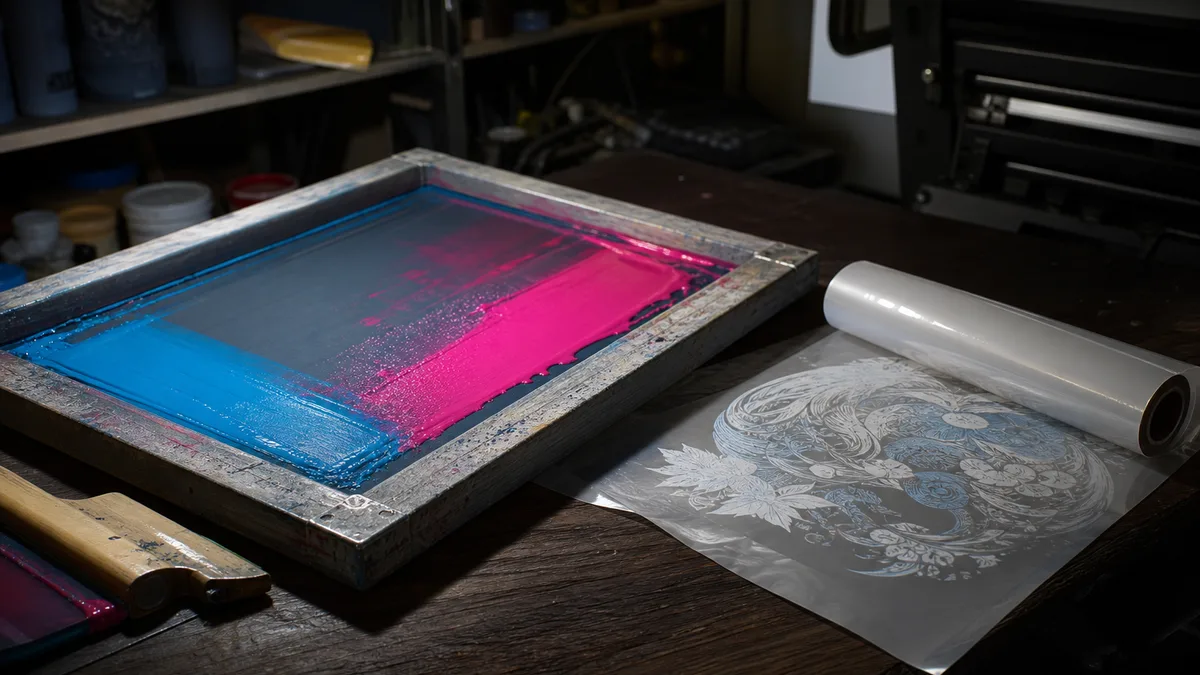
Dense cotton and hoodie fleece are a calm base. Screen printing drives ink into the fibre, DTF lays a flexible film, vinyl is a cut film with a clean edge. On a flat chest with no thick seam all three are predictable. A pocket, a zip and the collar rib are bad neighbours for the edge of a print.
Polo and blends
Pique holds a small chest mark. A large poster on a polo looks foreign and catches the placket buttons. A cotton-polyester blend needs its own press settings: synthetic fibre dislikes extra heat. Send the label before the run, not after the film has moved.
Thin and stretchy
A ribbed vest and a hard stretch pull the picture with the body. DTF on that cloth can wrinkle at the edge, screen ink can crack. If the fabric is very thin, we say so before printing and suggest another zone or another cut. We do not promise it will behave like dense cotton.
How the methods feel
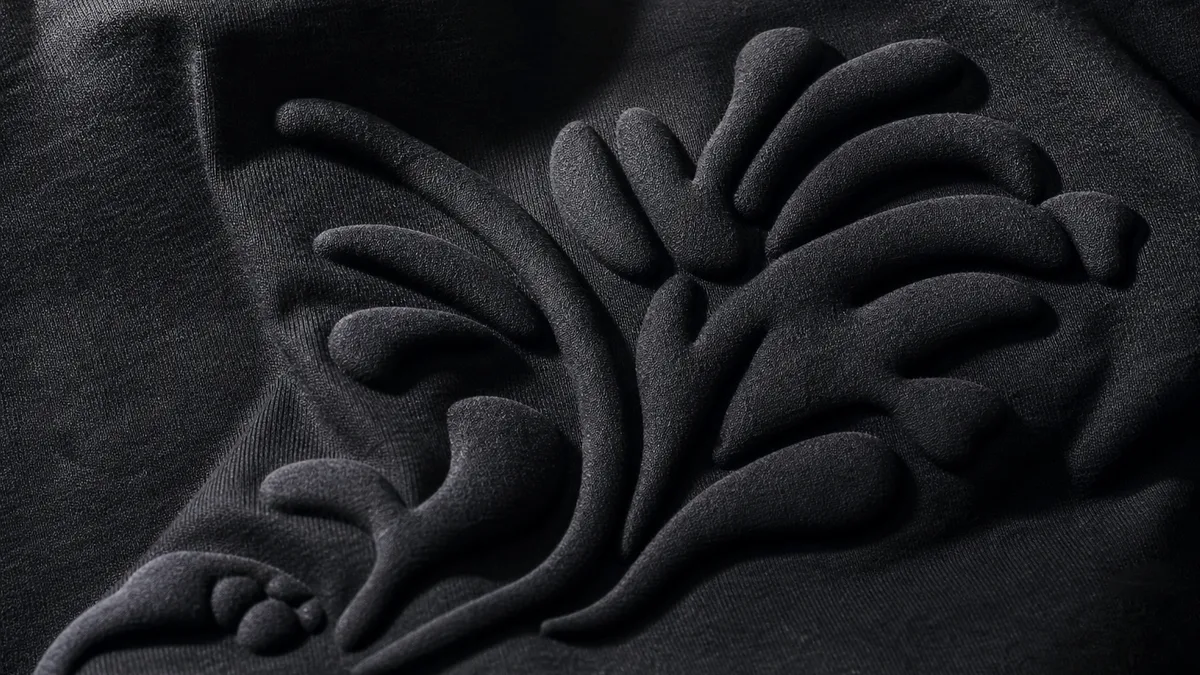
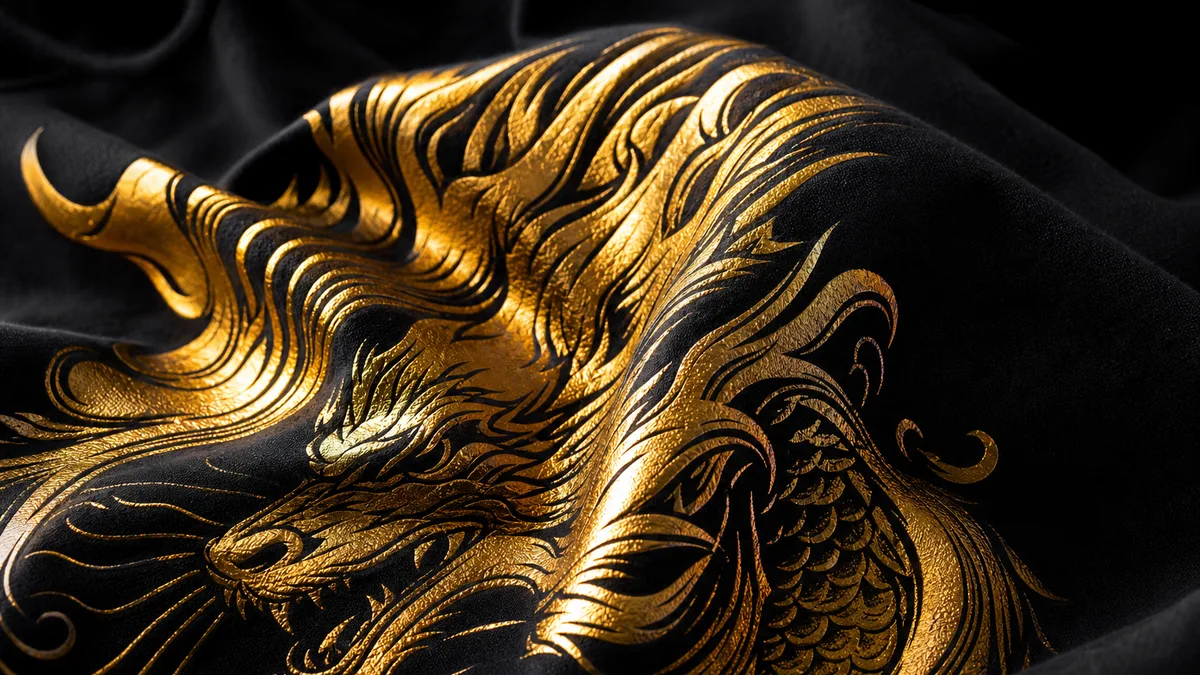
Screen printing is ink in the threads, a fairly flat layer. DTF is a film, and you can feel the edge. Vinyl is a separate piece of film, stiffer on small letters. Foil and puff are decoration on top of a base, not a way to "just print a logo on any cloth".
Washing
Inside out, 30–40 degrees for film, no bleach on the print, no iron on the picture. Screen printing on workwear takes more frequent washing if you said so in advance. A maximum tumble cycle dries both film and ink faster than a hanger.
How to order
Write the fibre content or send a photo of the label, plus the file and the zone size. Telegram @dkretov, +998 90 349 03 64. If the base is doubtful, we say so before the press. Pickup is in Sergeli.
Summary
Printing on fabric starts with the cloth. Dense cotton forgives more, stretch and a thin vest forgive less. Choosing a method before the label is early.