Which Garments We Print on Confidently
Tees, polos, hoodies, sweatshirts, aprons, fabric bags. Prefer cotton, polyester, and blends with a solid cotton share. On very thin, heavily stretched, or “silicone-feel” fabrics adhesion can be weak — we warn or decline such items. If unsure, send a photo of composition and texture before the visit: you save a trip. Photos of composition and texture before the visit save time when fabric is questionable or stretches a lot. Fix that in writing before paying for the batch.
How to Prepare Items for Handover
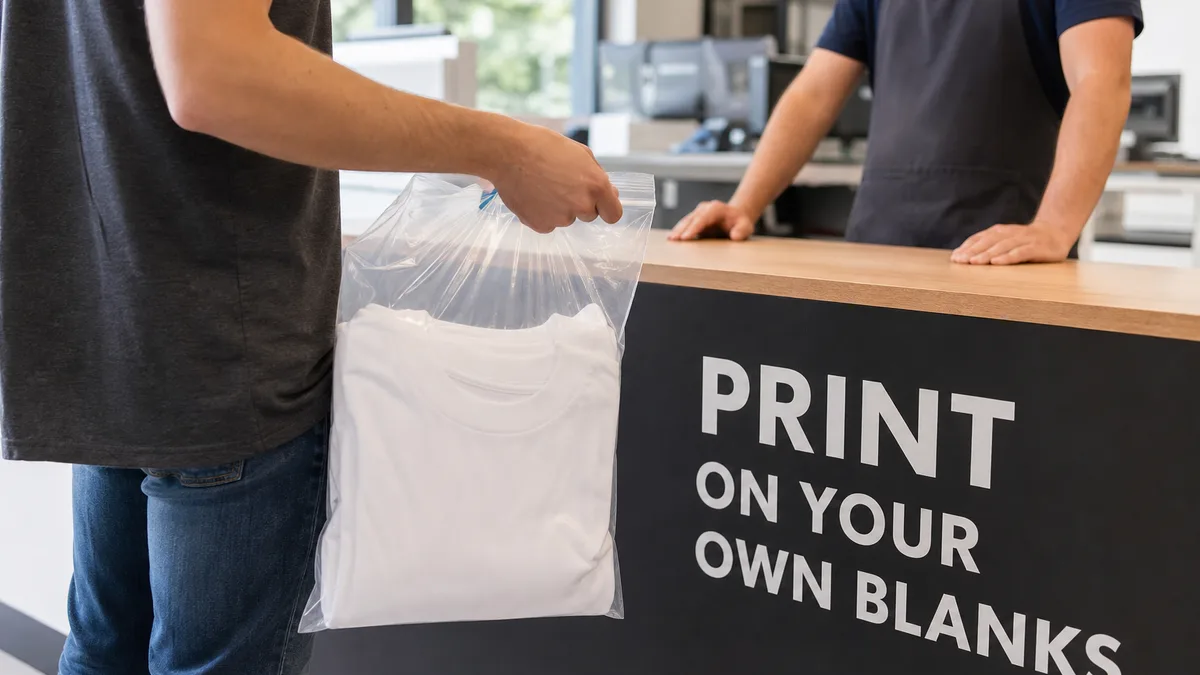
Garments must be clean, without stains or hard creases in the print zone. New tees are better washed once — factory chemistry comes off and shrinkage stabilizes. State composition if known. Sort by sizes and models in advance. We inspect the batch before printing and log risks so we do not silently launch a knowingly problematic run. Size sorting on intake reduces mix-ups at finished handout. Extra control at this step usually pays off with a calm handover.
Technologies and Minimums on Your Garments
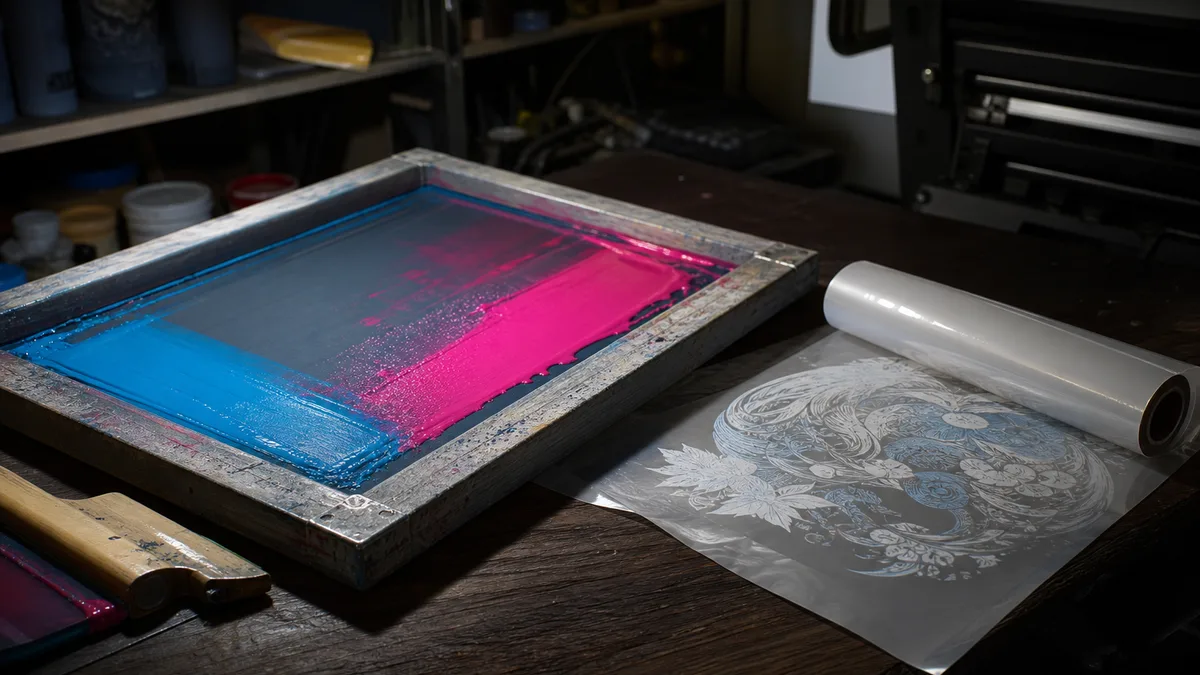
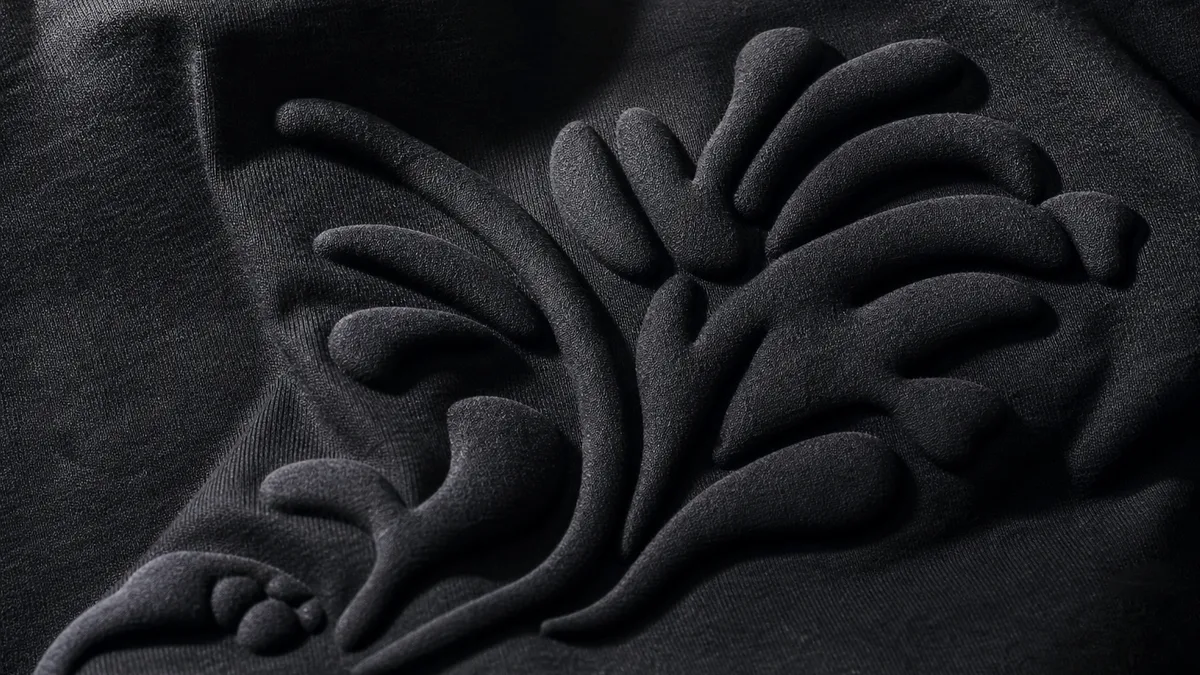
DTF — from 1 pc, convenient for small batches and different artworks. Screen — from 10 with one design. Vinyl — from 1, especially for names and numbers. Puff we discuss by fabric and run. On application cost, printing on your items is usually comparable to printing on ours: you pay for the work, and the garment is already yours. Savings come from the base you already bought. Technology choice on your garments is the same as on ours: artwork and run decide, not the fact of “your base.” So build in buffer for timing and file quality early.
Risks We Discuss Up Front
Unknown fabric brands can react differently to heat, hide elastane inserts, or have uneven density. We do not promise perfection on every material. If risk is high, we suggest a test on one piece or a switch to our model. That is more honest than accepting everything and getting peel after the first wash. A one-piece test is justified when the fabric brand is unknown or elastane sits in a critical zone. That approach reduces rework risk and extra approvals on launch day.
Timelines, Labeling, and Returning Finished Work
DTF guideline — from 1 day with ready artwork. Large screen runs depend on volume. Label the batch with a list: size, quantity, print zone. Pick up against an inventory. If some items are rejected on intake, we agree whether to print the rest. Message @dkretov or call +998 90 349 03 64 before handing over a large batch. Inventory on hand-in and acceptance protects both sides on large mixed batches. If unsure — compare two quotes on the same artwork.
When It Is Better to Take Our T-Shirts
If the model is not critical and timing plus predictability matter, our base styles are often easier in production. We know how the fabric behaves in the press and wash. A mixed option is also fine: part of the run on your limited colors, part on ours to close the size grid. We suggest the optimal scheme after a short brief. A mixed scheme — your colors plus our size fill — often closes shortages without breaking the deadline. In practice this nuance shows up more often at the fitting of a finished batch.
Summary
Printing on your own tees is convenient when the model is already chosen and the fabric is suitable for application. The keys are clean garments, clear artwork, and an honest material assessment. Choice Print in Tashkent works with your batches transparently: we warn about risks before start, not after defects.