Who orders it
A cafe puts the mark on an apron and a polo, an office on a welcome tee, a plant on a dark work jacket, a team on merch for an event. The jobs differ. The word is the same: the clothes need a mark people recognise. Decoration for its own sake is not the point. If shine hurts readability, it is not offered.
The method after the file
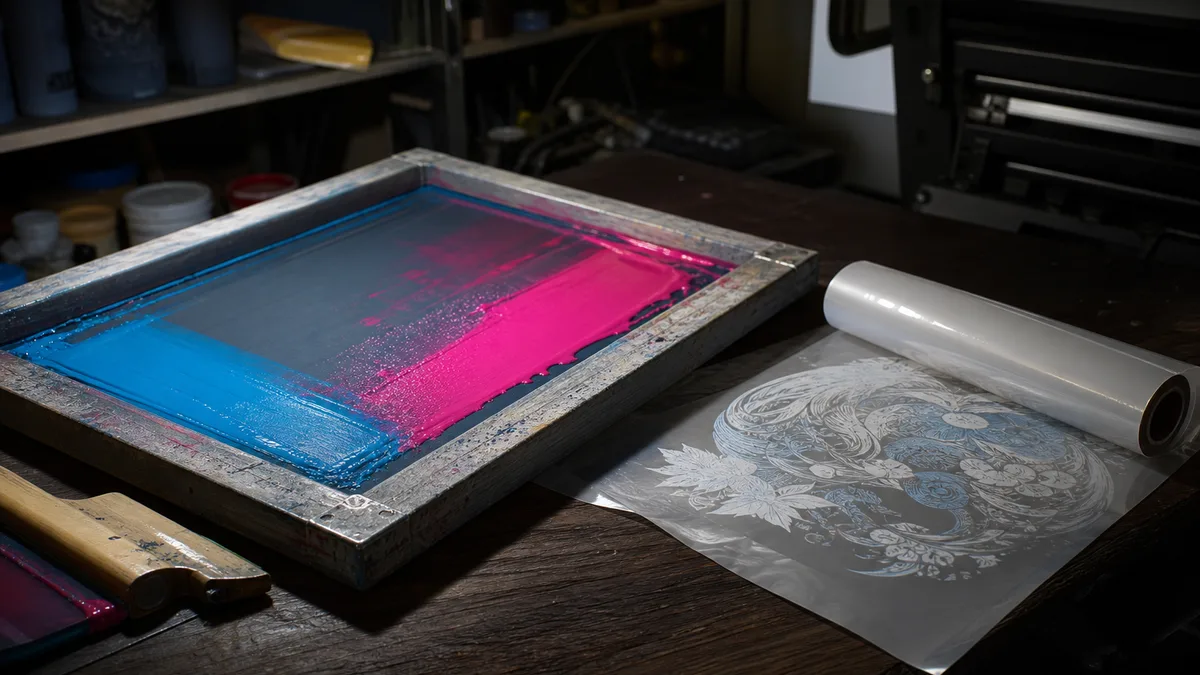
One or two colours on ten identical pieces is often screen printing. A colour mark, a short series, a gradient is DTF. A name that changes from person to person is vinyl on top of the shared mark, or instead of it if there is no shared mark. The method is not named in the first line of the chat before the art is seen.
A garment with a mark and one without
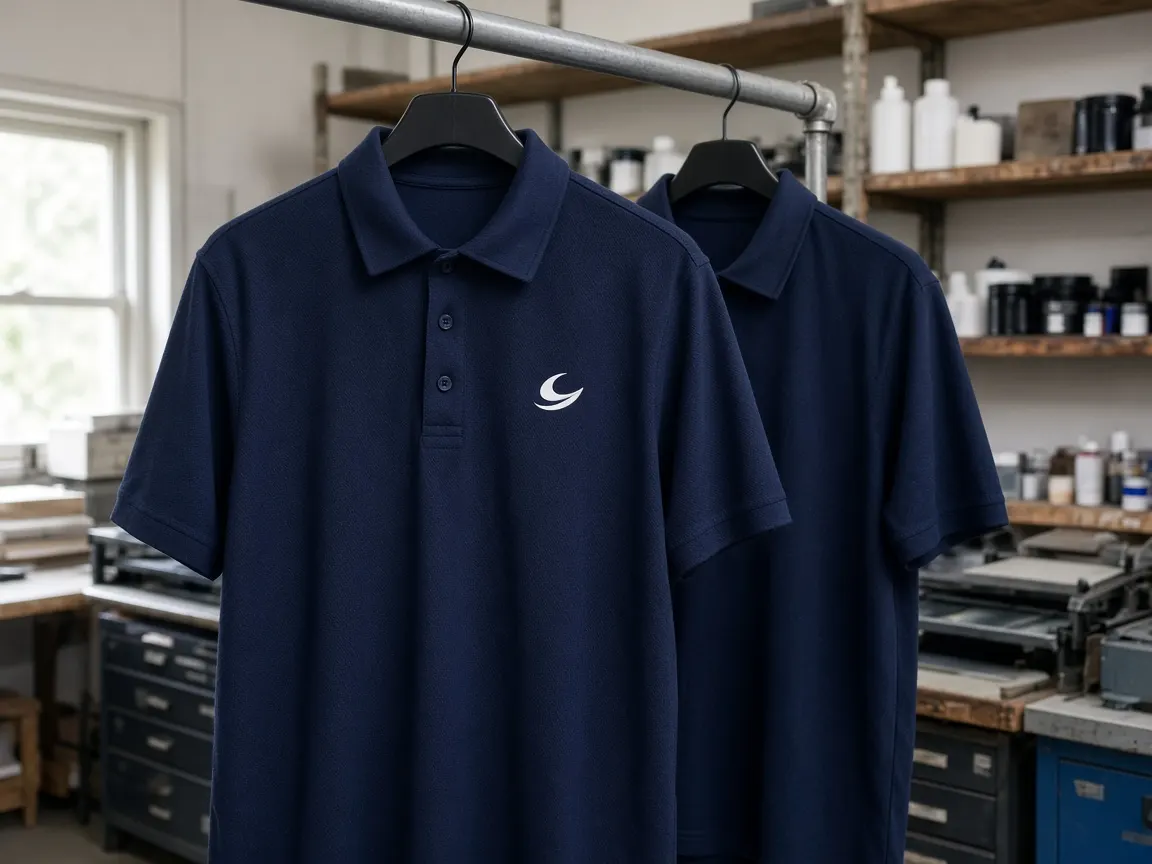
If you only need stock tees and polos, with no print, that is a base buy, usually S–3XL. Branding starts when a logo goes on that base or on your own clothes. One invoice can have two lines: the garment and the application. Mixing them up makes an empty shirt look like it already "has the brand".
How not to ruin the mark
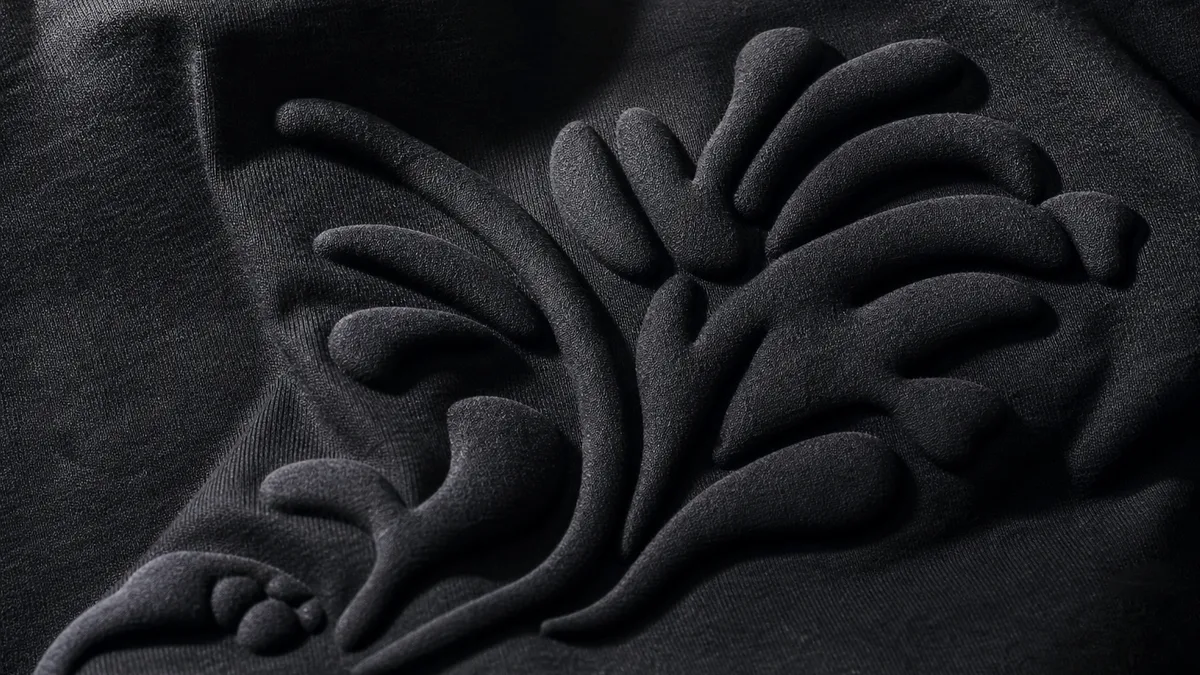
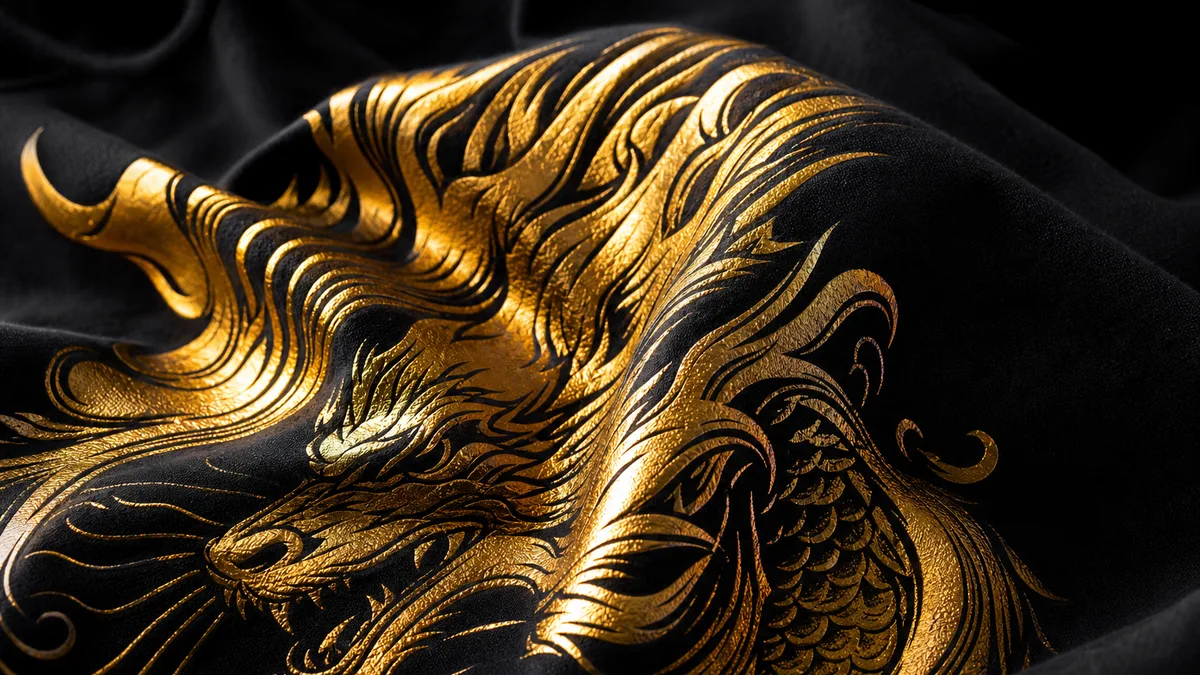
Tiny type inside a crest does not read on the chest. A complex mark is simplified to a shape visible from two steps. On dark cloth an underbase is planned. On kit washed every day, foil is not used: the shine goes first and gets in the way of the work.
A repeat
A new hire gets the same file and their size. Colour is not rebuilt if the art did not change. Keep the vector, not a photo of a shirt already printed: from a photo the mark drifts a little every time.
How to order
The file, the garment list, the sizes, where the mark sits. Telegram @dkretov, +998 90 349 03 64. Before the run we say whether it is a screen, DTF or vinyl. Pickup in Sergeli or across Tashkent.
Summary
Clothing branding is a mark people wear. The file picks the method. A blank base with no print is a neighbouring job. It is not called a logo.