How a 3D Element for Apparel Is Made
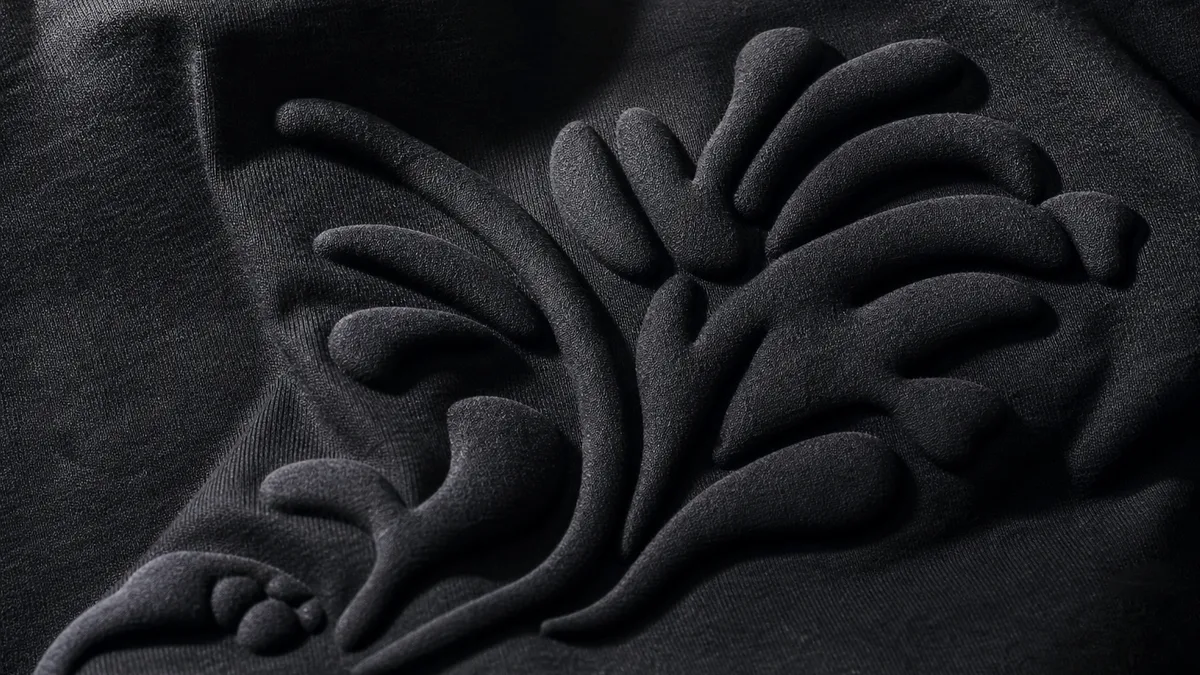
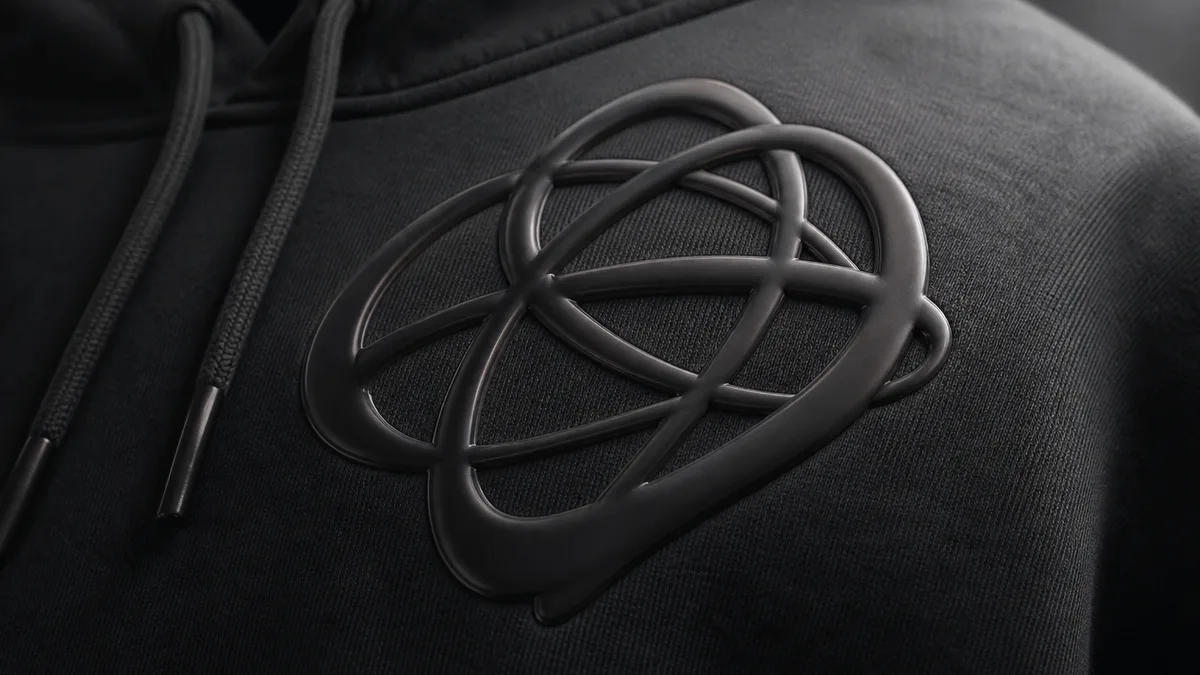
Parts are printed on a 3D printer from elastic materials like TPU/Flex, then fixed to fabric with a heat press or specialized adhesive. You get realistic relief that bends with the garment and does not break in normal wear. Height and geometry are set by the model — thick letters, badges, decorative shapes are possible. This is a piece-by-piece and slower process than run screen printing. Part print time and material flex checks are booked into the deadline separately from a regular run.
Where 3D Shines Most
Best scenarios: raised logo on a limited hoodie, decorative patch, exhibition art object, collectible tee. For mass corporate uniforms 3D is rarely needed — flat print or puff is more cost-effective. If the job is "touch and remember", 3D is justified. If the job is 100 identical logos on deadline — we discuss more run-friendly tech. If you need a mass "volume" effect, first compare puff cost on the same artwork. For Tashkent this is a normal working setup without theatrical service copy.
3D, Puff, and Regular Print: The Difference
Puff gives a soft 1–2 mm ink rise and scales well on a run. 3D allows taller relief and more sculptural form, but costs more and sits closer to one-offs. Regular screen and DTF remain the base for graphics and color. We often combine: flat background via DTF/screen + 3D accent. Merch looks expensive without spending the whole budget on volume alone. Combining with a flat layer keeps color and readability while 3D stays the accent. Fix that in writing before paying for the run.
Fabrics and Placement on the Garment
Dense bases work best: hoodie fleece, dense cotton, stable zones without heavy stretch. On very thin tees a heavy element can "pull" the fabric — we warn before printing. Placement matters more than it seems: chest and upper back read better than high-friction spots. We advise element size so the piece stays wearable. On thin garments we reduce mass or move it to a more stable zone. Extra control at this step usually pays off with a calm handover.
Care and Lifespan of Raised Decor
We recommend delicate wash at 30°C inside out, preferably in a laundry bag, without hard spin. Do not iron on the element. Flexible polymers should not crack in normal wear; damage is more often linked to dry folding and high heat. With proper care 3D decor stays expressive longer than it seems at first glance. A short wash note in the order kit cuts first-week damage risk. So build buffer into timing and file quality early.
How to Order 3D Printing at Choice Print
Describe the idea or send a 3D model/reference to @dkretov, phone +998 90 349 03 64. We assess complexity, suggest wear-friendly simplifications, and quote production. Single pieces are possible — that is a strength of the method. We work in Tashkent; for run merch we honestly say where puff or screen is better than 3D. Agree reference and height limits before modeling — fewer iterations. That approach cuts redo risk and extra approvals on launch day.
Summary
3D printing on apparel is a tool for unique and limited pieces, not a mass-print replacement. It delivers high relief and a memorable tactile effect. Choice Print will help decide whether you need true 3D or whether puff and classic technologies are enough.